

On this page, we share the various resources produced from this rangahau. These include reports, films, fact sheets, and academic articles. We will continually update this page, and you can sign up for our blog to receive notifications when we add new resources.
Ngā kiriata – Films
We created five films with whānau and hapori, which we share here for open viewing as they are released.
Hoani Waititi Marae story
In this film, we highlight the support provided by Hoani Marae to numerous whānau. If you prefer, you can also read the full written pūrākau here.
Carly’s story
We witness Carly’s powerful recovery journey, whānau ora, and giving back to rangatahi in the community. You can also read her story in Ngā Taonga below.
Awatea’s story
Awatea’s story of recovery, whānau ora and the need for restorative processes for whānau going through the justice system.
Fete’s story
Fete recounts his story of transformative change in his life, a journey into education and advocacy for marginalised communities.
Te Mana o Ngāpuhi Kōwhao Rau & Kōti Matariki
Explore the essence of the unique work of Te Mana o Ngāpuhi Kōwhao Rau, which serves tāngata in the courts and prisons in Te Tai Tokerau. You can read the full written story here.
Ngā Pūrongo – Reports and articles
Here, we share our overall report, He Ture Kia Tika, which outlines an action plan to create a trauma-informed justice system, and an e-book, Ngā Taonga, containing a collection of pūrākau. We also provide links to academic articles we have written, some of which are openly accessible.
Ngā Taonga
The He Ture Kia Tika co-design rōpū have had the immense pleasure and privilege of hearing the intimate whānau pūrākau collated in this book. We have four chapters, divided into core themes we saw as a rōpū occurring across the pūrākau. Whanaungatanga highlights the importance of connecting, building trust, and forming meaningful relationships, clearing the path for people to transform and achieve their goals, ultimately reaching their destination. Tūmanako (hope) creates a space where whānau share and show hope, which has been the motivating factor in their ongoing journeys of recovery. In most cases, acts of aroha (love, compassion, kindness) or kia tika (doing the right thing) either became the catalyst for change or gave whānau encouragement to stay the course in realising their aspirations.
Ngā Taonga has been released as an e-book, which you are free to share and download. In the near future, we plan to produce a special run of hard copies to support a kōhā donation, which will help offset our printing costs. So keep an eye out for more announcements.
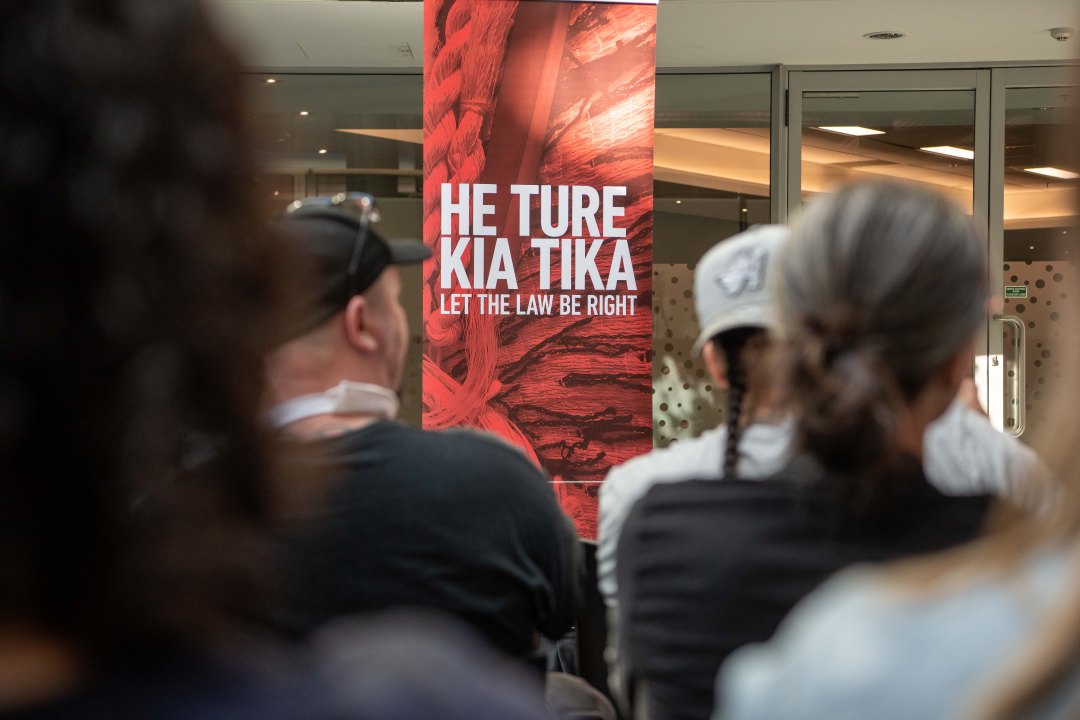
He Ture Kia Tika
Our report recommends that the Government implement our proposed solutions for developing a trauma-informed justice system that collaborates with a diverse network of community-based resources. Our action plan involves redistributing government funds to prioritise Kaupapa Māori services and peer support, which are at the forefront of establishing such a trauma-informed system. We emphasise the Government’s responsibility to support Kaupapa Māori services; the communities who contributed to this research demonstrated exemplary trauma-informed care practices that incorporate te ao Māori and lived experience.
In recent years, Aotearoa has implemented a criminal justice reform plan with the goal of
improving the system by utilising evidence in all aspects. Our research suggests that achieving this transformation necessitates culturally appropriate methods for gathering evidence at the grassroots level in collaboration with government agencies and other sectors involved in the criminal justice system. We acknowledge that this evidence may deviate from traditional Western scientific interpretations. The primary objective of He Ture Kia Tika was to partner with whānau who have experienced incarceration to co-create a more effective justice system in Aotearoa.
The Māori community has long expressed the need to improve access to Kaupapa Māori services that cater to their holistic needs and align with their cultural values and beliefs. Initiatives led by the community that cater to the diverse realities of the most vulnerable and underserved are best led by those with lived experience and intimate knowledge of those realities. This is especially important as navigating a health system that does not prioritise te ao Māori or tikanga Māori principles can pose challenges. Our research supports the implementation of whānau, hapū, and iwi-centred approaches to service delivery that are grounded in mātauranga Māori and tikanga.
To achieve equitable health outcomes for the Māori community, it is crucial to address funding inequities and increase investment in Kaupapa Māori services.


 He Ture Kia Tika